Reading Abbey history is not merely the tale of old stones, silent arches, and royal ambition. It is the story of faith dressed in architecture, prayer disciplined by bells, and a medieval town shaped by monks who believed that time itself belonged to God.
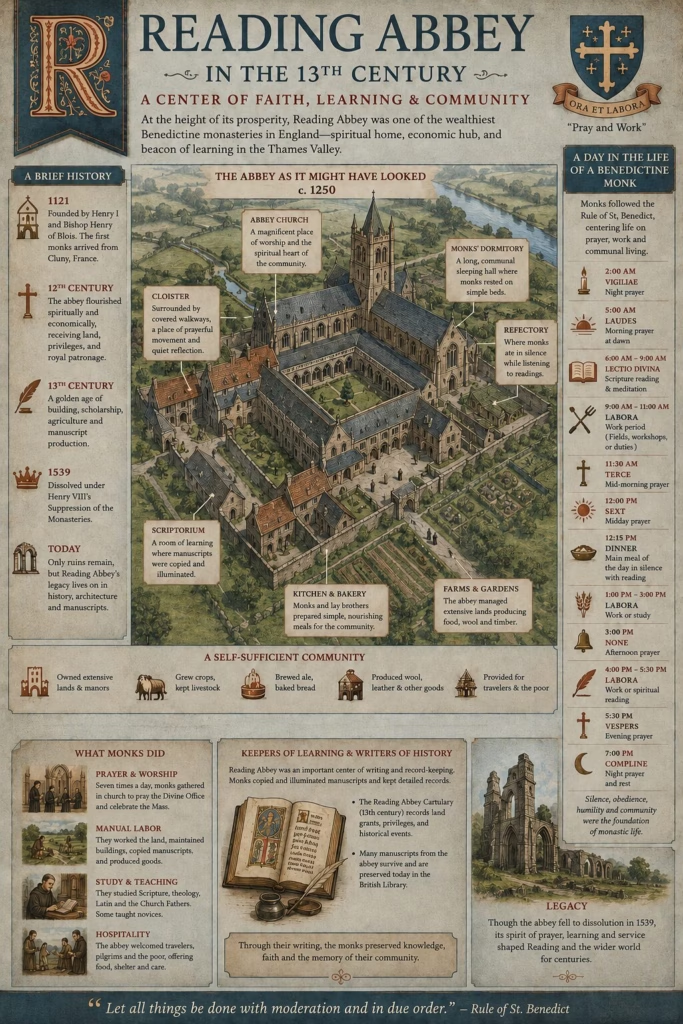
Founded in 1121 by King Henry I, Reading Abbey became one of the most important religious houses in medieval England. It was a royal monastery, a place of worship, a wellspring of learning, a centre of hospitality, and a powerful influence on medieval Reading.
Today, Reading Abbey stands in ruins. Yet ruins have a curious eloquence.
A complete building explains itself rather too loudly; a ruin invites the imagination to kneel and listen.
What Is Reading Abbey History?
Reading Abbey history is the story of a royal Benedictine monastery. For more than four hundred years, Reading Abbey shaped the spiritual, political, and social life of medieval Reading.
The first monks came from Cluny in France and Lewes in Sussex. This gave Reading Abbey strong links with the Cluniac movement, a reforming branch of Benedictine monasticism known for solemn worship, rich liturgy, music, and beautiful churches.
Reading Abbey life was shaped by the Rule of Saint Benedict, one of the most influential guides to Christian monastic life in Western history.
Why is Reading Abbey History Important?
Reading Abbey history is important because it illustrates how royal power, Christian worship, wealth, learning, and hospitality were combined in one remarkable institution.
Kings and nobles visited the Abbey. Royal ceremonies took place there. Pilgrims came to pray. The Abbey also owned land, managed estates, and helped shape the streets, economy, and identity of medieval Reading.
It would be a mistake to imagine the monks as men who had vanished from the world. They were enclosed, certainly, but not irrelevant.
Their walls separated them from noise, not from influence.
Reading Abbey history is significant because the Abbey touched almost every part of life. Worship, farming, education, charity, hospitality, trade, and administration all belonged to its daily existence. Medieval life did not divide the sacred and the practical as neatly as we do. It knew that bread and prayer often rise from the same table.
What Did Reading Abbey Look Like?
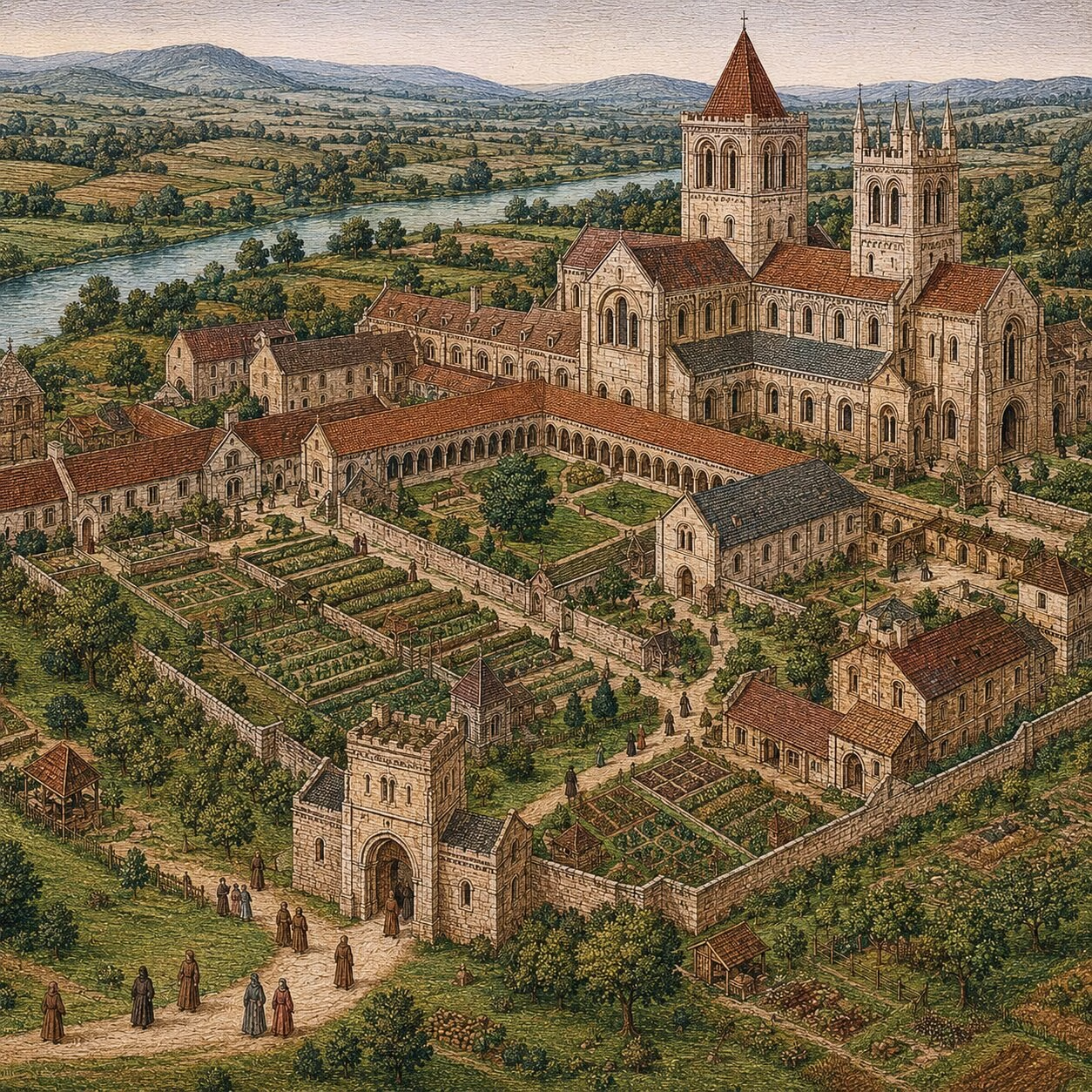
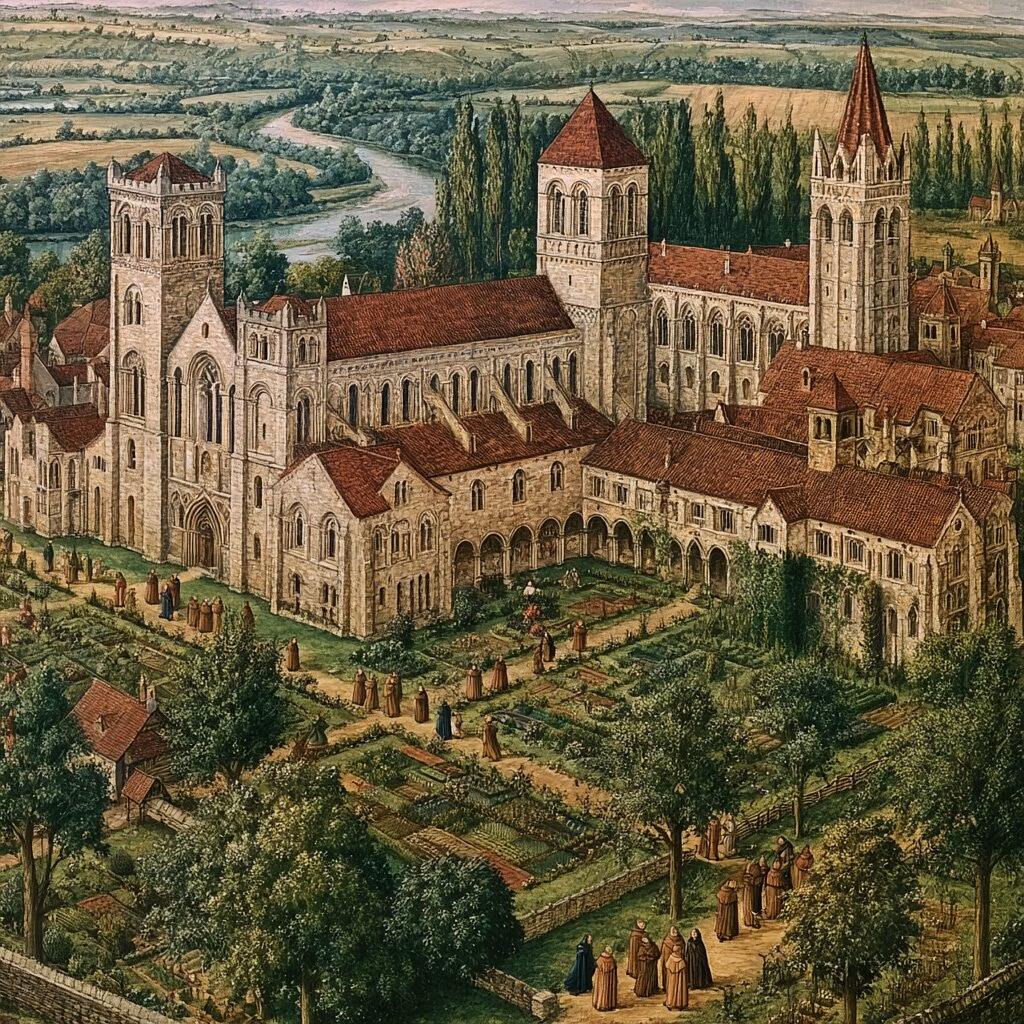
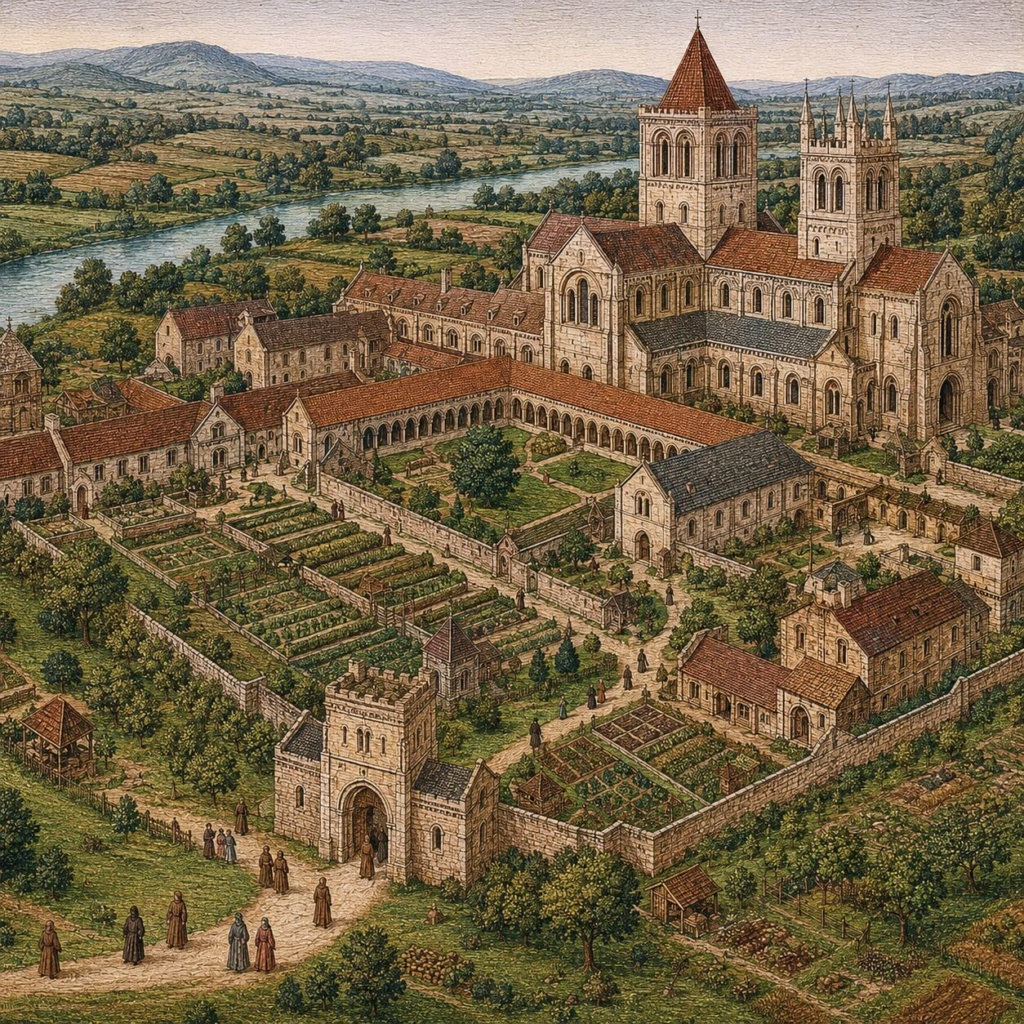
From Reading Abbey history we learn that the Abbey was an impressive complex of stone buildings, designed for worship, community, labour, and service.
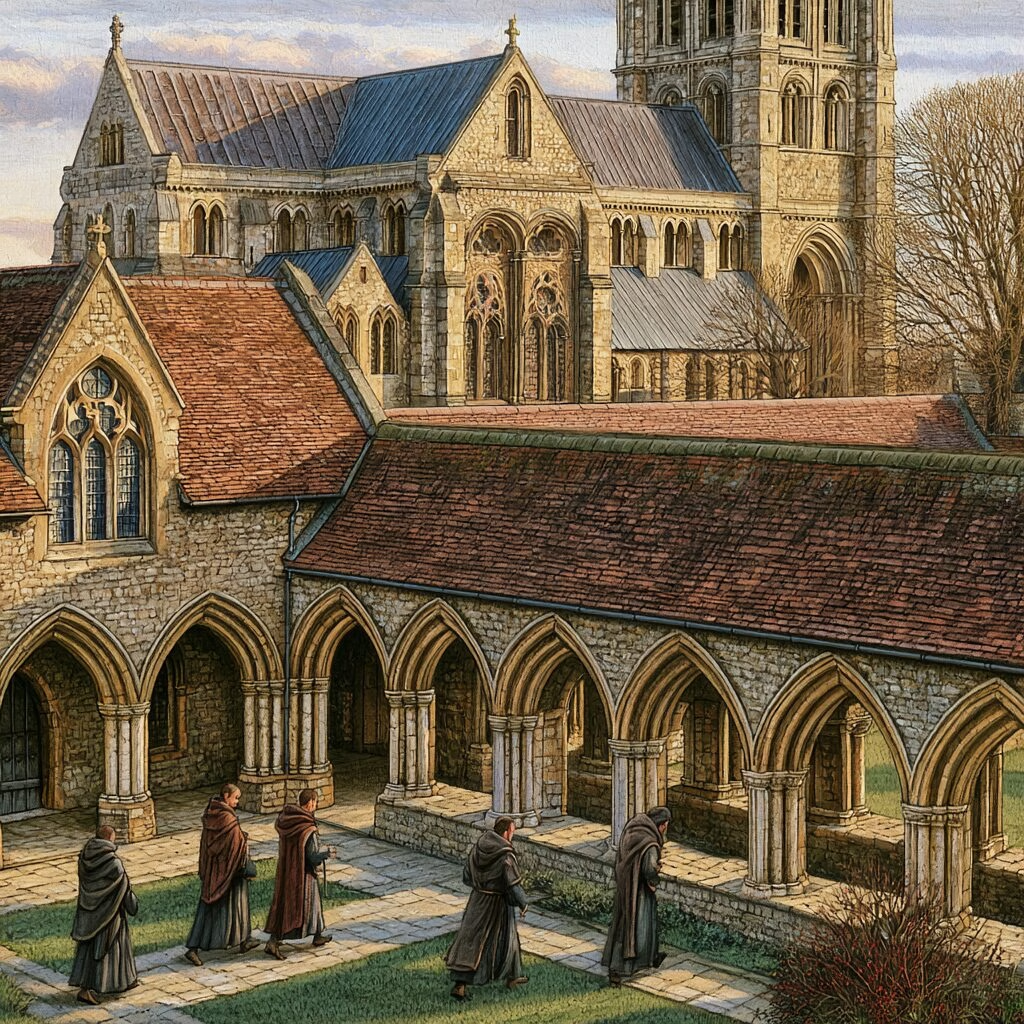
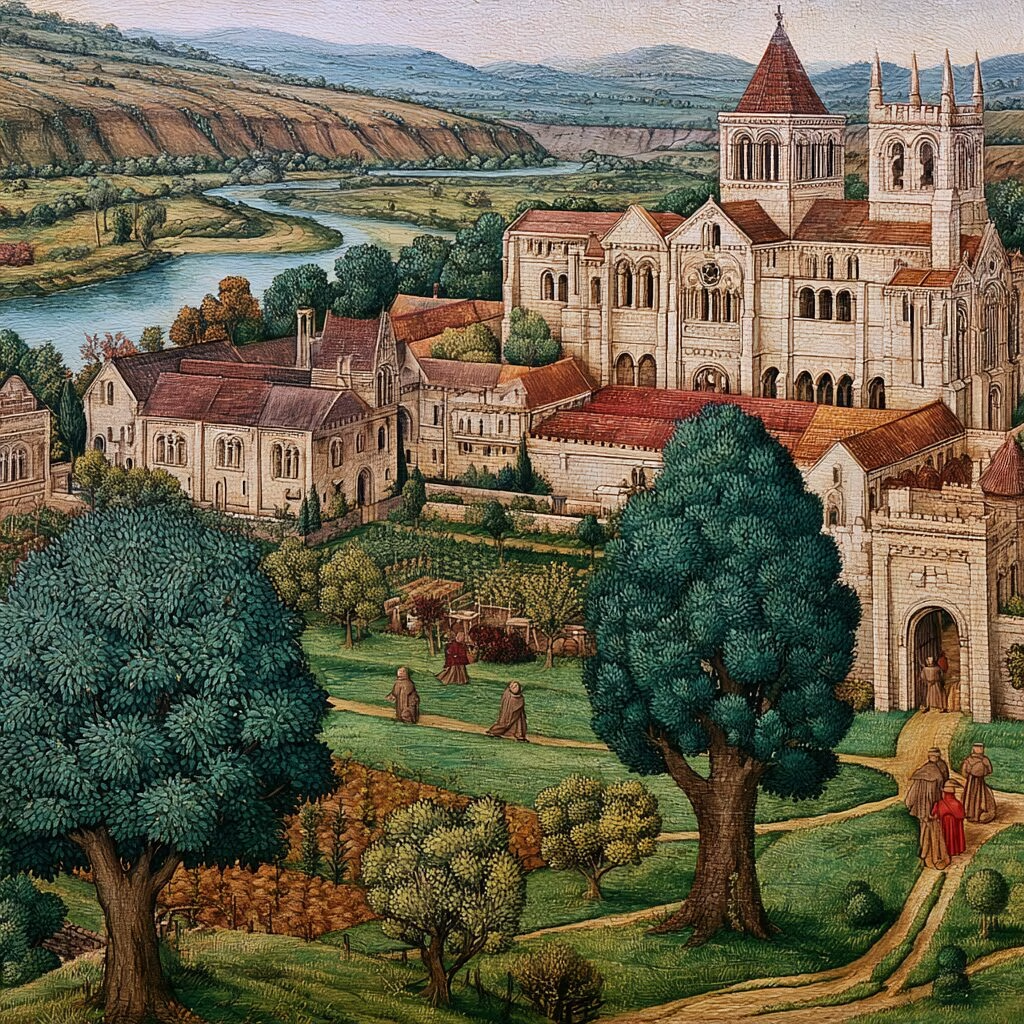
At its heart stood the great Abbey Church. Around it were the cloister, chapter house, refectory, dormitory, kitchens, infirmary, guest areas, gardens, workshops, and service buildings. It was, in effect, a holy village within walls.
The cloister was one of the most important spaces. It was a covered walkway surrounding an open courtyard. Monks passed through it each day. They prayed there, read there, walked there, and moved quietly from one duty to another.
The chapter house was where the monks gathered to hear a reading from the Rule of Saint Benedict. They also discussed the discipline and business of the community there.
The refectory was the dining hall. Meals were usually eaten in silence while one monk read aloud. The dormitory was a shared sleeping area, plain and practical. Nearby were gardens, storage rooms, kitchens, farmland, and places for guests and pilgrims.
The Abbey was not built for luxury. It was built for order. Yet there is a beauty in order when it bends its knee to worship.
What Was the Benedictine Way of Life?
The Benedictine way of life was a Christian pattern of prayer, work, obedience, humility, stability, hospitality, and community.
It sought to make all daily life an offering to God.
It aimed to bring the whole of life under the rule of Christ. Prayer was not an ornament added to the day. It was the frame that held the day together.
Benedictine life is often summed up by the phrase ora et labora, meaning “pray and work”. Although this phrase is not the full Rule of Saint Benedict, it captures the spirit of the life. Prayer and labour were not rivals. They were companions, rather like two sensible aunts who agree on everything important and disagree only about tea.
The monk was not called to chase novelty. He was called to stability. He remained in one community, under obedience, seeking holiness through ordinary duties.
This life valued balance. It included worship, reading, work, rest, silence, discipline, and hospitality. It was strict, but not frantic. Serious, but not joyless. Its purpose was to shape the soul through faithful repetition.
Reading Abbey history shows us that a Benedictine monk did not need a dramatic life to serve God. He needed a faithful one.
What Was Daily Life Like for Reading Abbey Monks?
Daily life for Reading Abbey monks followed the rhythm of the Divine Office, with set times of prayer throughout the day and night.
Their day was not built around personal preference. It was built around worship. The bell, not the whim, governed the hours.
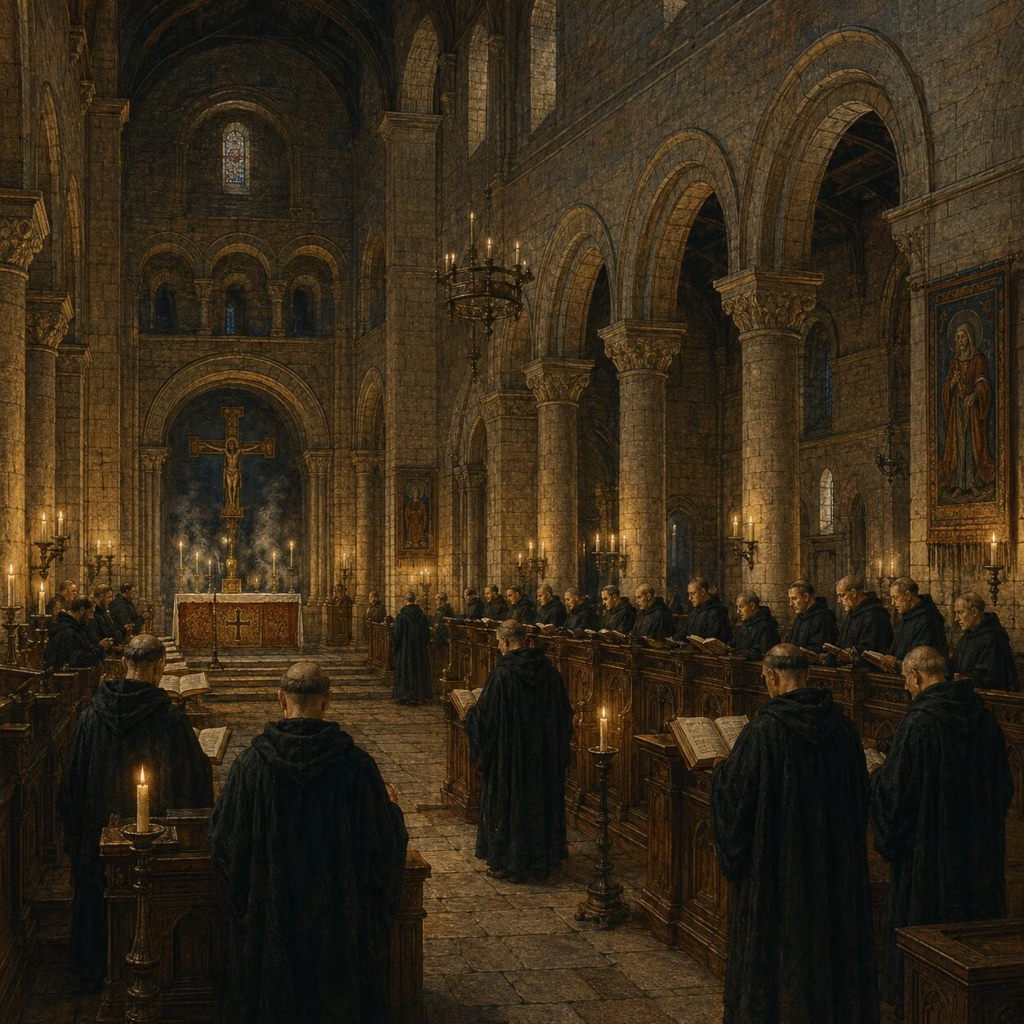
A day in the life of a monk often began before dawn. He rose from his simple bed and moved with the community to the Abbey Church for night prayer. The air was likely cold. The stone floor kept its own opinions about comfort. Candles or lamps may have lit the darkness as the monks chanted psalms.
The day then moved through prayer, Scripture, study, labour, meals, silence, and rest. The exact timetable varied by season, feast day, and local custom. Yet the pattern remained clear. God came first and all things in their proper place.
What Happened Before Dawn?
We learn from Reading Abbey history that the monks gathered before dawn for night prayer, often called Vigils or Matins.
This was an act of watchfulness. While most of medieval Reading slept, the monks stood before God in the darkness. They chanted psalms, heard Scripture, and prayed.
To modern eyes, this may seem severe. We tend to admire devotion most when it does not disturb our sleep. Yet the monks believed that God was worthy of worship at every hour.
For them, night was not empty. It was filled with prayer.
What Happened at Dawn?
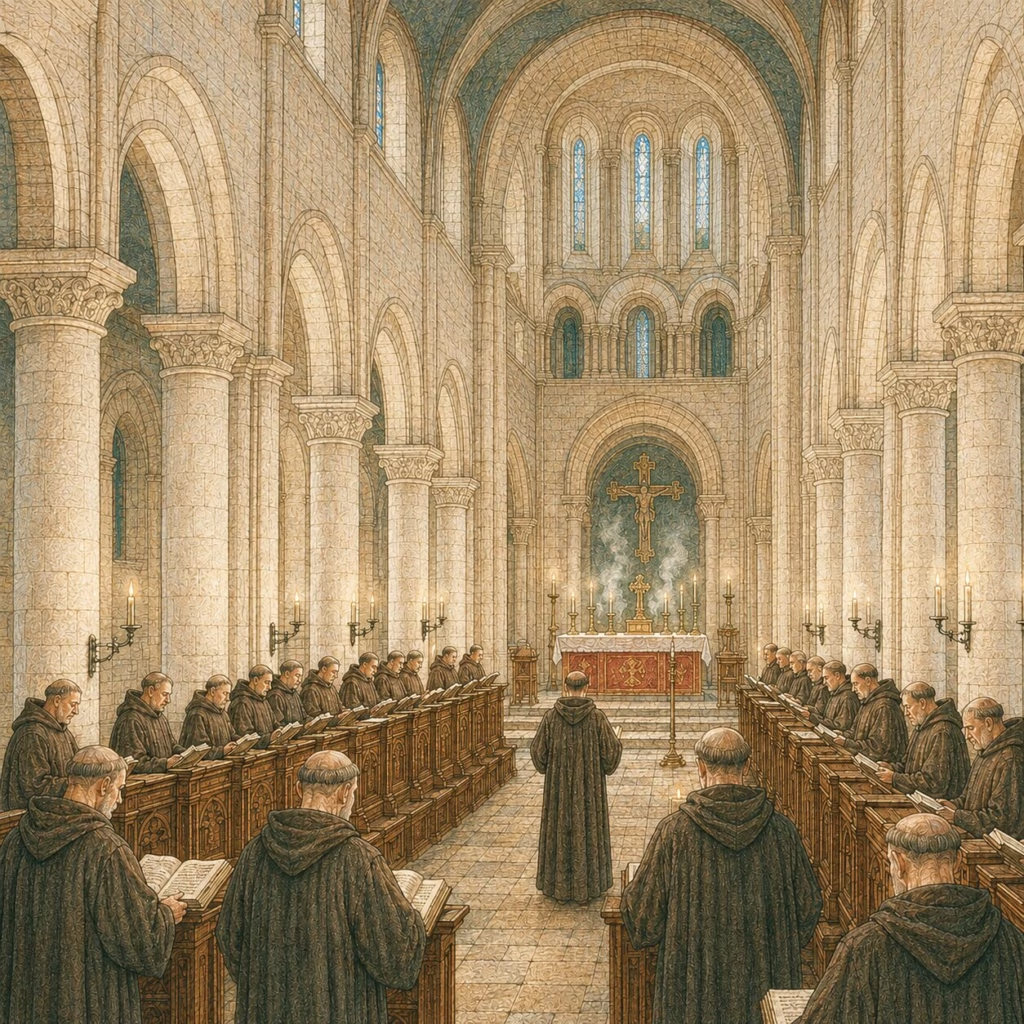
At dawn, the monks gathered again for Lauds, the morning office of praise.
The new day was received as a gift from God. The rising light was answered with psalms, chant, and thanksgiving. In this way, the monks learned to begin the day not with appetite, ambition, or anxiety, but with attention.
The Psalms shaped their minds. They prayed words of sorrow, trust, repentance, hope, and praise. Their first question was not, “What do I want today?” It was, “How shall I turn toward God?”
There is a quiet revolution hidden in that question.
How Did Reading Abbey Monks Study Scripture?
Monks studied Scripture through slow, prayerful reading known as lectio divina.
This was not casual reading. It was not the skimming of holy words while the mind secretly plans supper. It was attentive, reverent, and personal. A monk might read a passage, repeat it softly, ponder its meaning, and allow it to search his heart.
Meditation did not mean emptying the mind. It meant filling the mind with the Word of God.
Some monks copied manuscripts, studied theology, kept records, or worked with documents related to the Abbey’s lands and privileges. Reading Abbey had a strong culture of learning and administration. Its cartulary preserved important records, including charters and lists of books.
The monk with a pen was not merely a clerk. He was a guardian of memory.
What Work Did the Reading Abbey Monks Do?
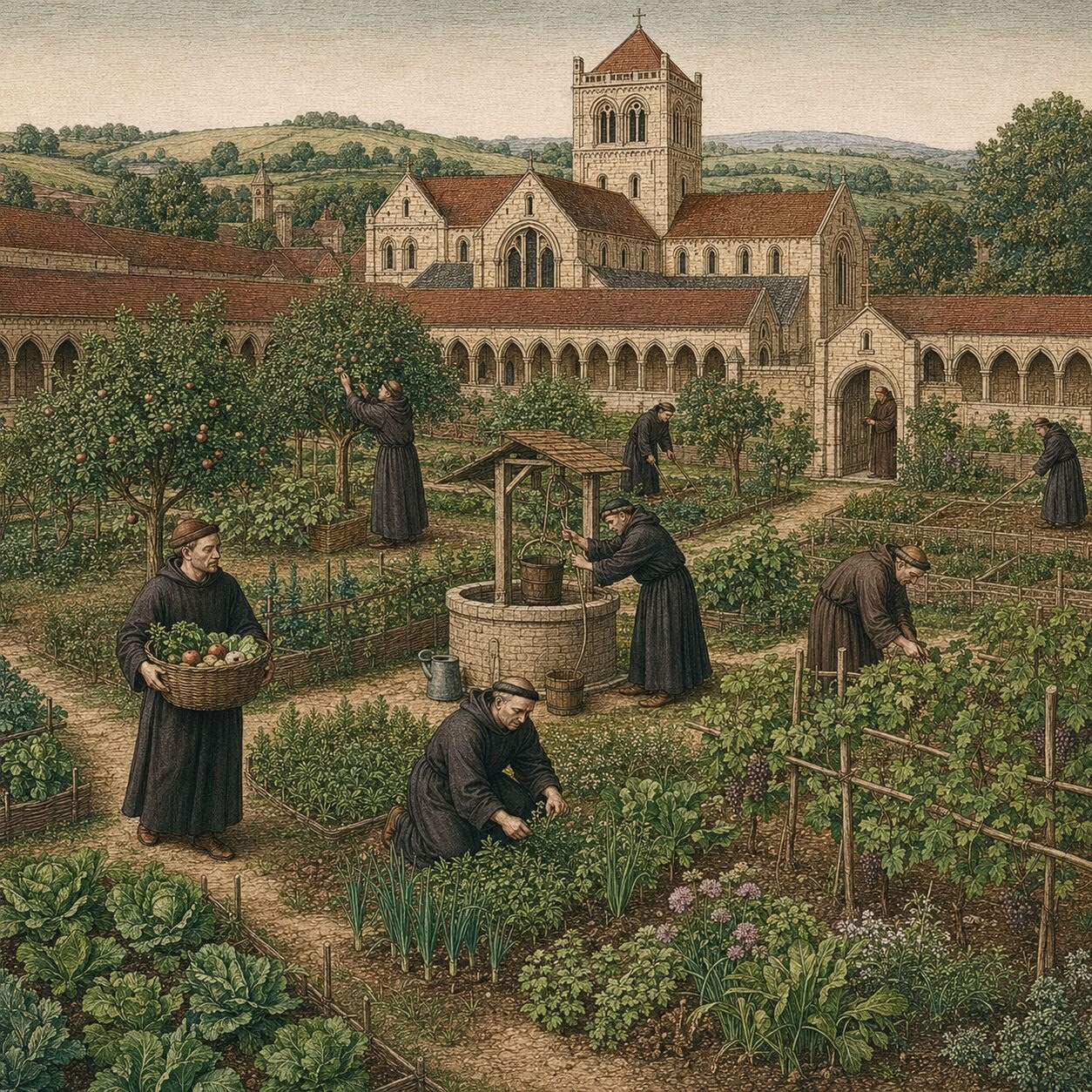
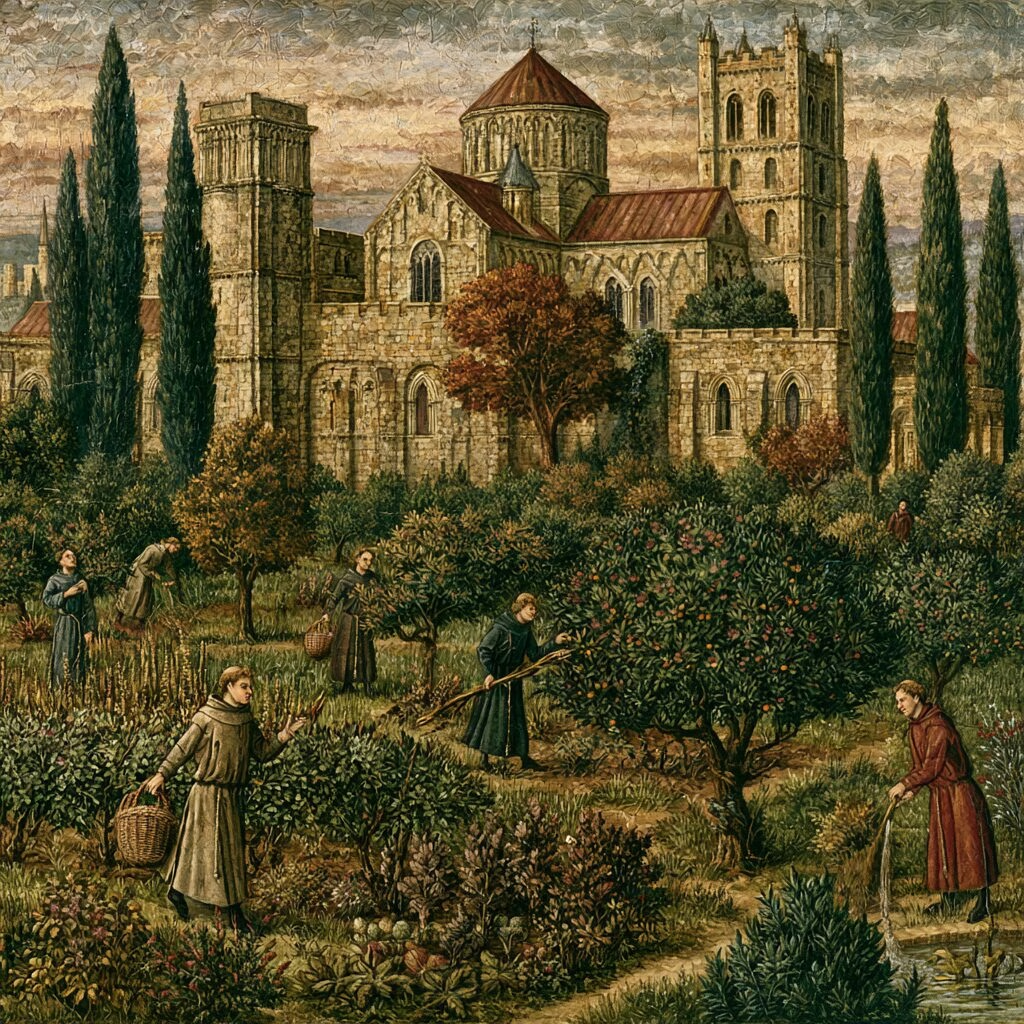
Reading Abbey history records that the monks worked in study, administration, worship, hospitality, gardening, kitchens, workshops, infirmary care, and estate management.
Benedictine life did not treat labour as a vulgar interruption to spirituality. Work was one of the ways prayer became visible.
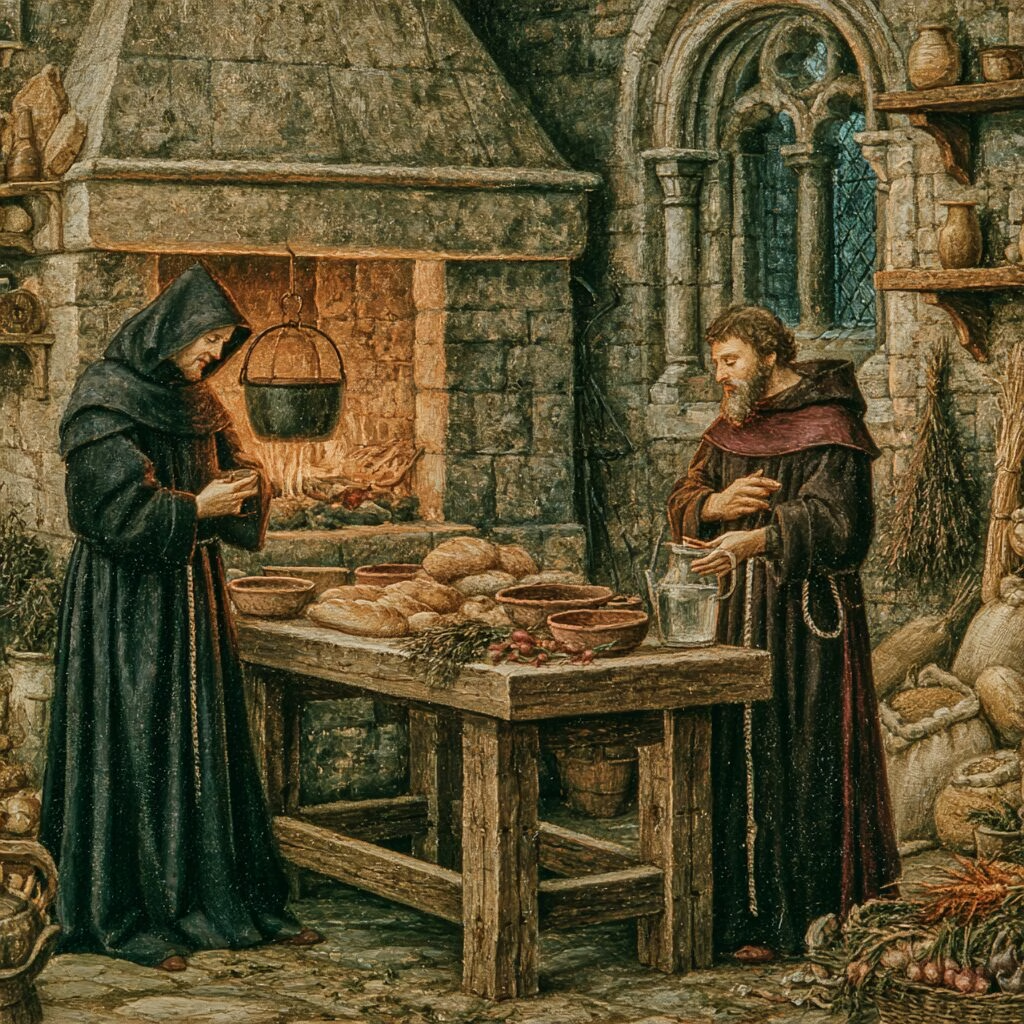
Some monks had specific offices. The cellarer managed provisions. The guest master cared for visitors. The infirmarian cared for the sick. The sacrist looked after the church and its vessels. The precentor helped oversee music and liturgy.
Reading Abbey was not a vague spiritual retreat. It was a disciplined household. Its worship required organisation. Its charity required supplies. Its books required care. Its hospitality required labour.
Hidden work made the public life of the Abbey possible. It usually does.
What Happened at Midday?
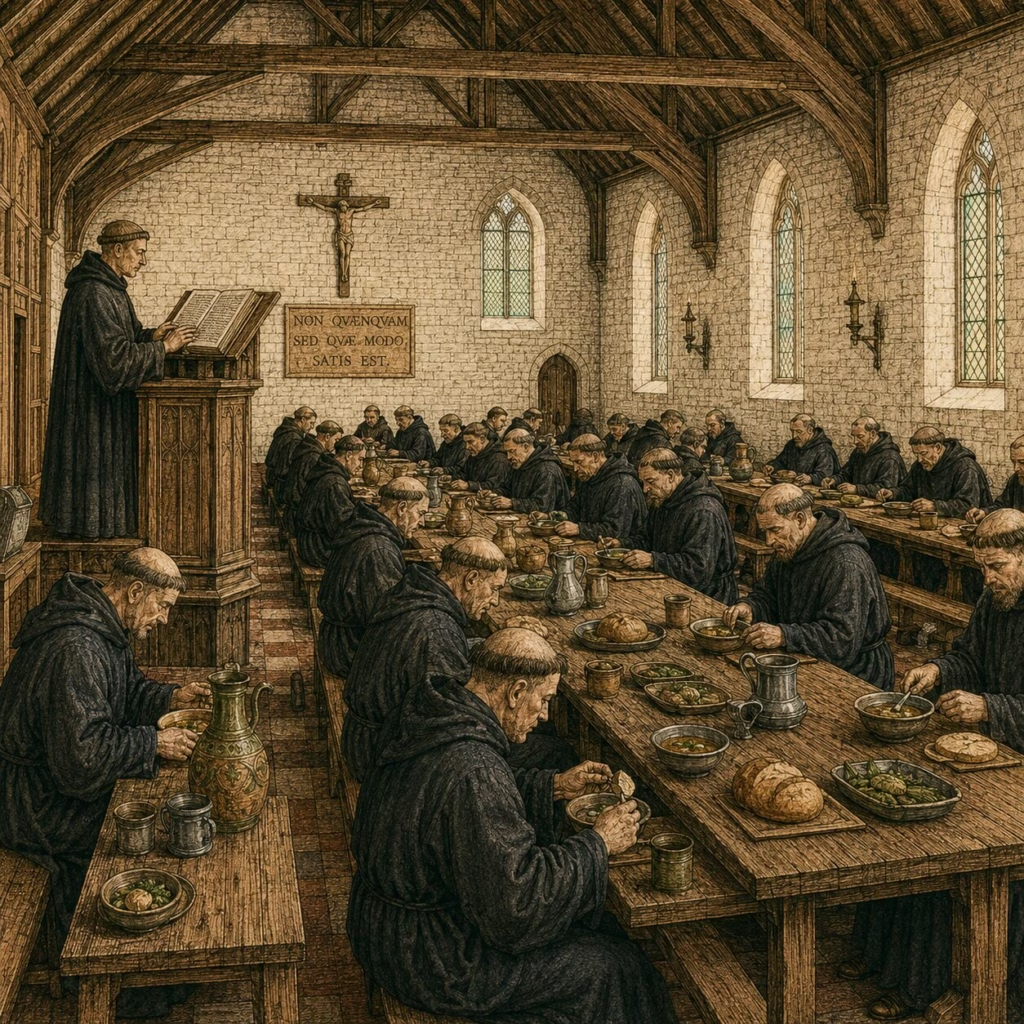
At midday, the monks gathered for prayer and then usually shared their main meal in the refectory.
The shorter offices of Terce, Sext, and None marked the hours of the day. These prayers kept the monks anchored in God as they moved through work and duty.
The main meal was simple by modern standards, though food varied according to season, feast day, and the wealth of the house. Meals were usually eaten in silence while one monk read aloud.
Even eating became an act of discipline. The body was fed, but so was the mind. The Rule of Saint Benedict placed great value on moderation in food, drink, speech, and sleep.
The aim was not misery. The aim was freedom from excess. There is a great difference between the two, though our age sometimes mistakes one for the other.
Why Was Hospitality Important at Reading Abbey?
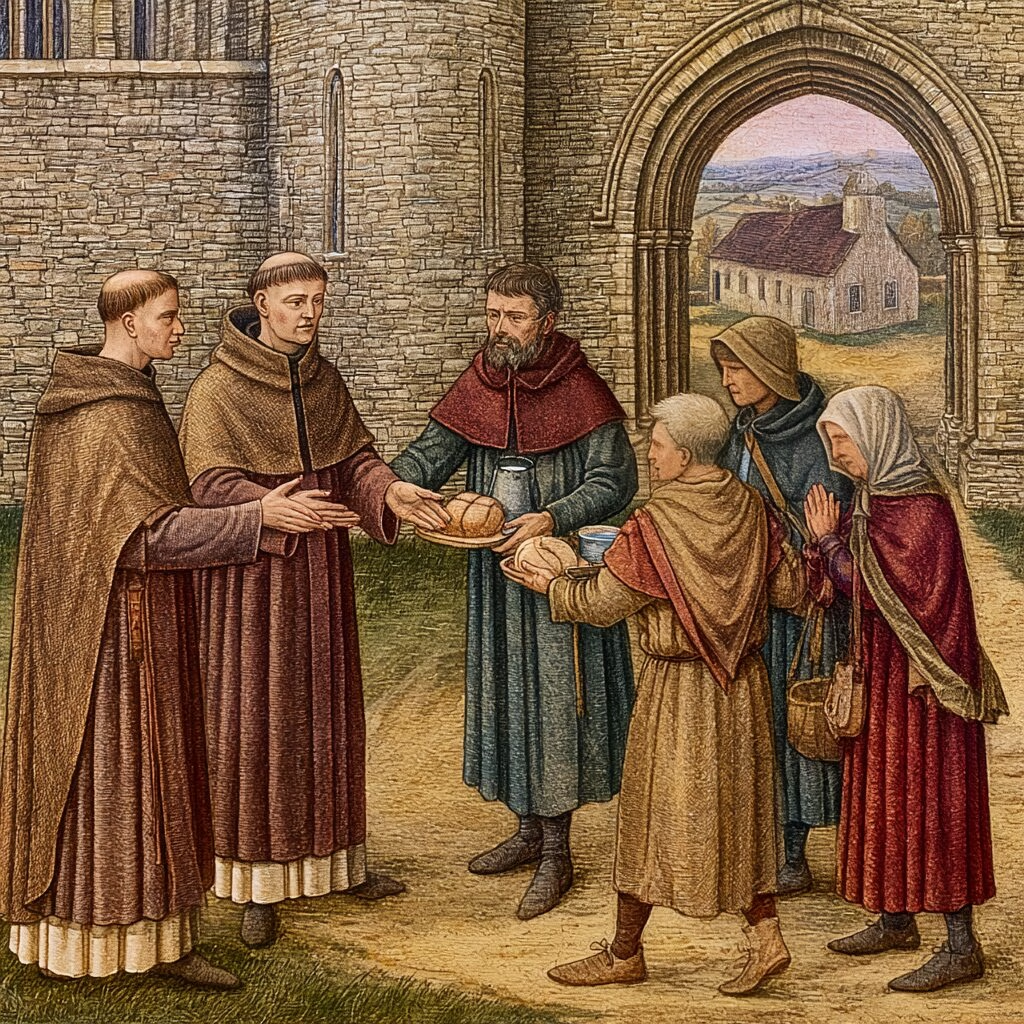
We understand from Reading Abbey history that hospitality was important because Benedictine monks were taught to receive guests as Christ.
This was not charming language stitched onto a rule book for decoration. It shaped real practice. Reading Abbey welcomed pilgrims, travellers, clerics, royal guests, nobles, and the poor.
Some came for shelter. Some came for prayer. Some came because the abbey carried political and social weight. A poor traveller might receive food and rest. A pilgrim might come to pray. A noble visitor might be received with ceremony.
In each case, hospitality was a spiritual duty.
The guest was not treated as an interruption to holiness. The guest was part of holiness.
This remains one of the finest Benedictine lessons. It is especially pertinent since we often prefer to plan our virtues to arrive by appointment!
What Happened in the Evening?
In the evening, the monks gathered for Vespers, ate lightly if the season allowed, and moved into deeper silence.
Vespers marked the turning of the day from labour toward rest. It was one of the great prayers of the monastic day. The light faded, the work slowed, and the community returned again to worship.
Silence then became more pronounced. Monastic silence was not meant to be cold or unfriendly. It protected prayer, self-control, and attentiveness to God.
In our own noisy age, this may be one of the most striking lessons from Reading Abbey history. The monks understood that the soul can be crowded by too many words. A person may speak constantly and still say very little. History, indeed, has provided many examples along with innumerable dinner parties!
What Was Compline At Reading Abbey?
Compline was the final prayer of the day, said before sleep.
After Compline, the Great Silence began. The monks returned to the dormitory. The abbey settled into darkness. Then, after some hours of rest, the bell would sound again. The pattern began once more.
To modern eyes, this repetition may seem hard. Yet repetition was part of the formation. Holiness was shaped by return.
- Return to prayer.
- Return to Scripture.
- Return to work.
- Return to silence.
- Return to humility.
- Return to God.
The Benedictine life trusted that faithfulness, repeated daily, could carve grace into the soul. This was an integral part of Reading Abbey history.
Did Reading Abbey Monks Write Manuscripts?
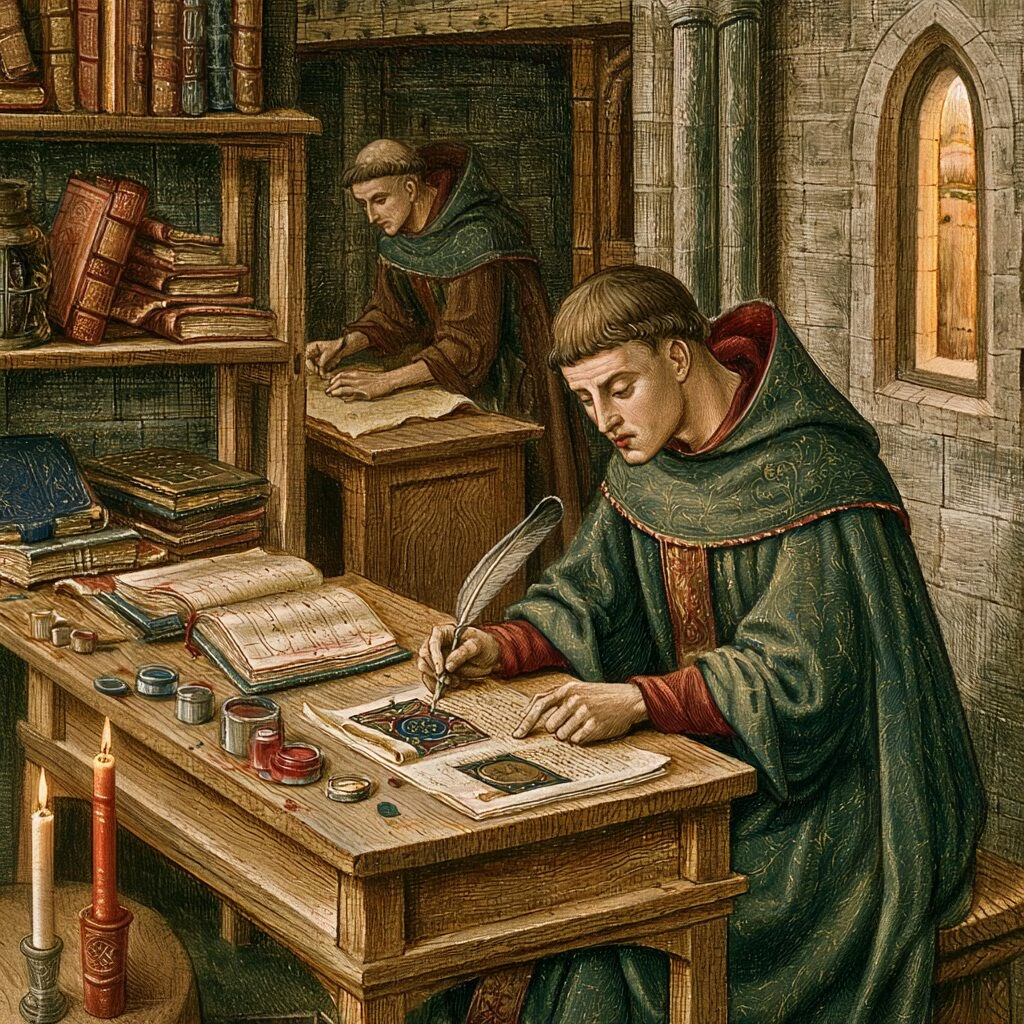
Yes, manuscript work and keeping records formed an important part of the intellectual life of the monks.
Monks in houses like Reading copied, preserved, studied, and used manuscripts. They also kept legal and administrative records which also helped to preserve Reading Abbey history.
Reading Abbey’s cartulary was especially important. A cartulary was a collection of copied charters and documents. It preserved the Abbey’s rights, lands, privileges, and memory.
This work required patience, skill, and accuracy. It also reflected a Christian view of knowledge. Books mattered because truth mattered. Scripture, theology, history, law, and liturgy helped sustain the abbey’s life.
A manuscript was more than ink on parchment. It was memory given a body.
What Did the Reading Abbey Monks Believe They Were Doing?
The monks believed they were seeking God.
This was the heart of the Benedictine vocation. Their life was not mainly about escaping the world. It was about ordering life rightly before God.
Prayer came first. Work had dignity. Hospitality was sacred. Obedience trained the will. Silence disciplined the tongue. Community exposed selfishness. Stability taught perseverance.
From a Christian perspective, Reading Abbey represented an attempt to make earthly life answer to eternal truth.
Of course, no monastery was perfect. Medieval abbeys were human institutions. They could become wealthy, political, proud, or compromised. No cloister gate can keep fallen human nature entirely outside. It has an unfortunate talent for finding the side entrance.
Yet the Benedictine ideal remained noble. It sought to honour Christ in worship, in the poor, in the guest, in the brother, in the book, in the field, and in the ordinary duty of the day.
Did the Monks of Reading Abbey Say Prayers for the Dead?
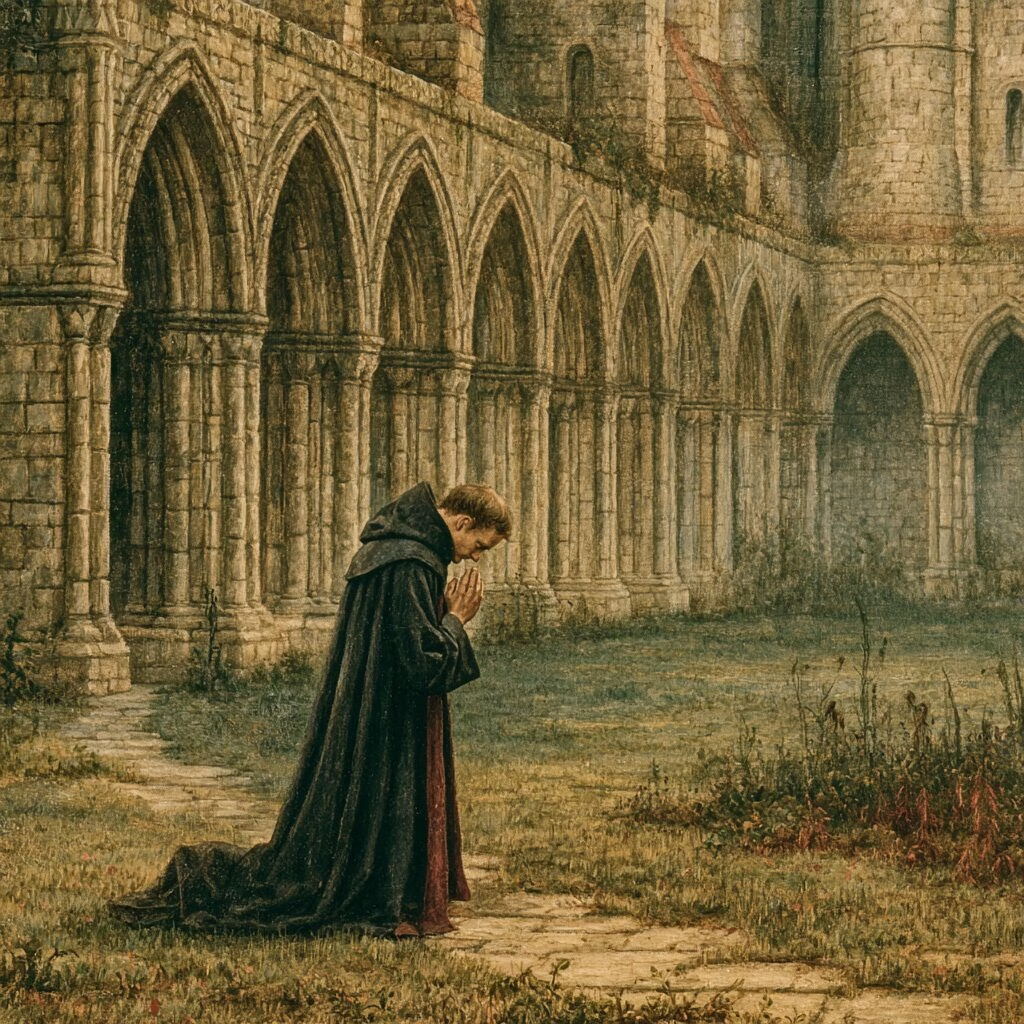
Yes. Prayers for the dead were not a small candle flickering in some forgotten corner of Reading Abbey. They stood near the very altar of its purpose. They belonged to the deep intention of many medieval religious houses, which were built not only for the living who prayed within them, but also for the departed who could no longer pray beneath the sun.
Prayers for the dead were offered for those who had died, especially that God would show mercy to their souls. The living prayed that the dead might be helped, cleansed, and brought at last into the full joy of heaven. In medieval monastic life, this became a solemn and important work.
Many people gave money, land, or precious gifts to monasteries so that monks would remember them after death in prayer. Thus monasteries became wealthy, not merely because men admired holiness, but because they feared eternity. They were places of worship, certainly, but also spiritual institutions entrusted with prayers and masses for the dead.
Reading Abbey was founded partly with this purpose in mind. Henry I desired a great religious house where monks would pray for his soul and for the souls of his family after death. His burial at Reading gave the Abbey both royal dignity and spiritual significance. A king may command armies while he lives, but after death even a king must depend on mercy.
However, this belief did not concur with Biblical doctrine. Scripture declares:
“And as it is appointed unto men once to die, but after this the judgment.” Hebrews 9:27
This verse presents death not as a corridor in which the prayers of others alter the soul’s final state, but as the threshold of divine judgment. The medieval practice was solemn, sincere, and woven deeply into the age. Yet sincerity, however richly robed, is not the same as Biblical truth.
Did Reading Abbey Have Relics?
Yes. Reading Abbey held relics and attracted pilgrims. Relics were objects associated with saints or holy persons. They might include bones, clothing, fragments, or other sacred items, each treated as though holiness could cling to matter like perfume to a glove.
At Reading Abbey, the most famous relic was believed to be the hand of St James the Apostle. This made the abbey spiritually important and drew pilgrims to Reading. To possess such a relic was to hold, in medieval imagination, a visible thread to the apostolic past.
Reformers, however, were deeply suspicious of relic devotion. Some regarded it as superstition. Others considered it a form of idolatry, especially when ordinary people seemed to trust in relics, shrines, or pilgrimages rather than in Christ Himself.
“Little children, keep yourselves from idols. Amen.” 1 John 5:21
Some relics were also exposed as false or doubtful. This damaged trust, as well it might. Faith may survive many wounds, but fraud committed in its name is a particularly unbecoming assassin.
What Happened to Reading Abbey?
Reading Abbey was dissolved in 1539. The monks were scattered and the last Abbot, Hugh Faringdon, was executed. Monasteries across England and Wales were closed, their wealth was taken by the Crown, and they were left to fall into ruin.
The destruction was not only architectural. It marked the end of more than four hundred years of continuous monastic prayer at Reading.
What Remains of Reading Abbey Today?
Today, Reading Abbey ruins still stand in the heart of Reading. They remind us that even great human achievements pass away. Yet they also show that prayer, learning, beauty, and service can leave a deeper mark than stone.
Reading Abbey is no longer filled with Benedictine chant. Its bells no longer command the day. Its cloisters no longer hear the quiet step of monks moving between prayer and labour.
Yet the story still speaks. Some sermons are preached best by stones.
Why Does Reading Abbey History Still Matter?
Reading Abbey history matters because it helps us understand medieval Christianity, the growth of Reading, and a way of life shaped by worship rather than speed.
The abbey reveals a world where time had meaning. Work had dignity. Learning had purpose. Hospitality was a Christian duty. Silence was not emptiness, but discipline.
It also warns us. Wealth and power can make even holy institutions vulnerable. Buildings fall. Communities end. Political force can scatter what centuries have built.
Yet the best of Reading Abbey’s legacy remains worth remembering:
- Prayer
- Discipline
- Learning
- Beauty
- Service
- Hospitality
- Stability
- Worship.
In a restless world, Reading Abbey still asks a searching question: What are we building, and will it endure?
Frequently Asked Questions About Reading Abbey History
When was Reading Abbey built?
Reading Abbey was founded in 1121 by King Henry I. Its buildings developed over time, and it became one of the most important monastic houses in medieval England.
What did Reading Abbey monks do every day?
Reading Abbey monks prayed the Divine Office, studied Scripture, worked, ate in community, welcomed guests, cared for the sick, preserved records, and helped manage the abbey’s lands.
What was the Benedictine way of life?
The Benedictine way of life centred on prayer, work, humility, obedience, stability, hospitality, and community.
It sought to reflect all daily life as an offering to God.
Why was Reading Abbey destroyed?
Reading Abbey was closed in 1539 during the Dissolution of the Monasteries under Henry VIII. Its wealth was taken, its monks were dispersed, and its buildings were later stripped and demolished.
Closing Reflection
Reading Abbey history weaves an intricate narrative of devotion, discipline prayer, learning, service, and influence. Its monks lived by bells, psalms, silence, Scripture, and work. Their world was not perfect, but it was ordered by a serious conviction: that all of life should turn toward God.
The abbey’s stones are broken now. Yet its history carries a quiet sermon.
We can reflect on how earthly splendour fades while lives shaped by prayer, humility, learning, and faithful service leave a witness that time cannot wholly erase.
Reading Abbey history is, in the end, not only about what was built. It is about what endured after the building fell.